Hugh Jackman Reinvents Robin Hood in Dark New Film
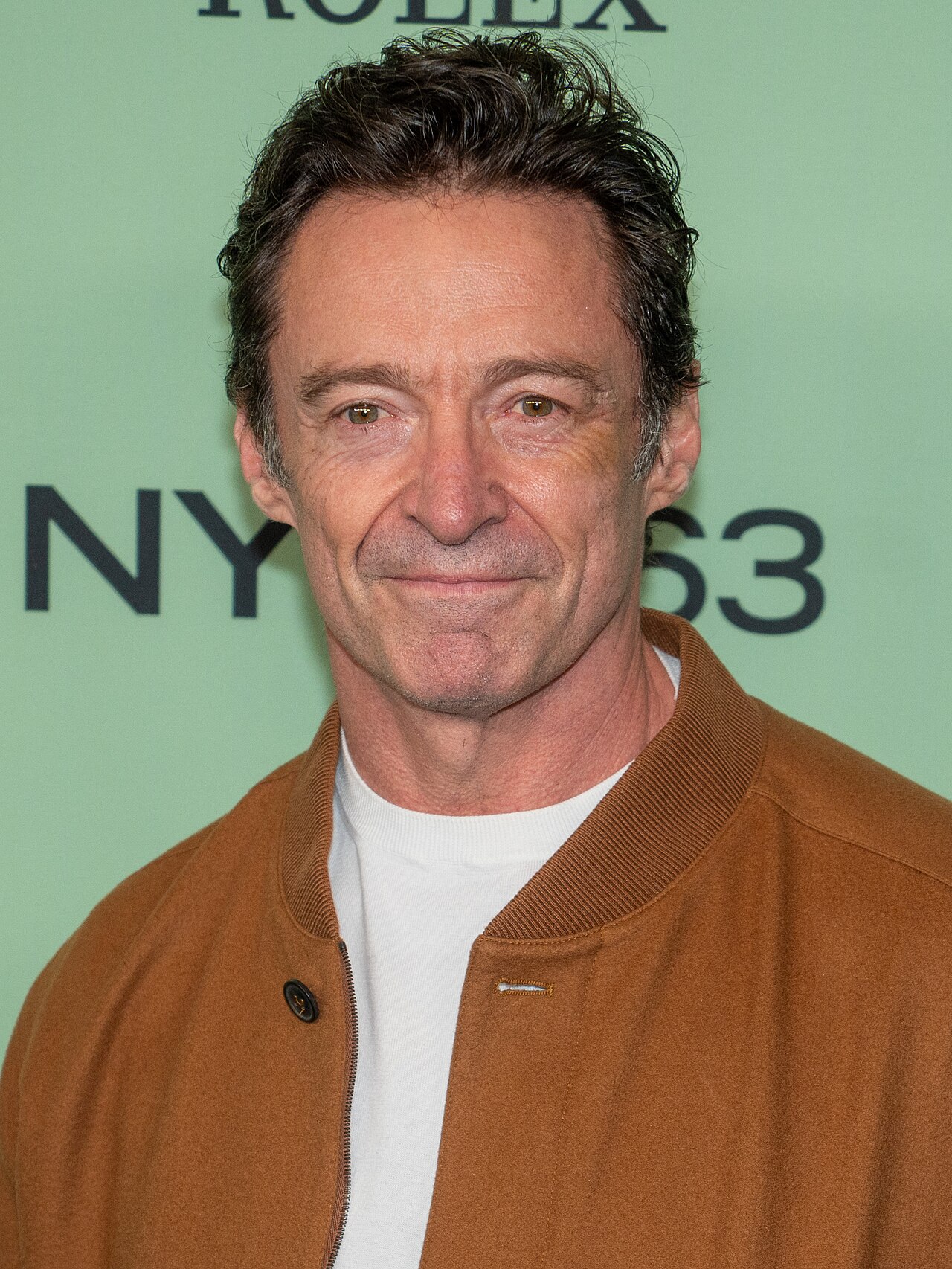
Hugh Jackman takes on the iconic role of Robin Hood in Michael Sarnoski’s latest film, but don’t expect a swashbuckling hero. In ‘The Death of Robin Hood’, Jackman portrays a haunted, weary version of the legendary outlaw, offering a stark reinterpretation that diverges from the traditional narrative.
In this revisionist take produced by A24, Sarnoski, known for his work on ‘Pig’ and ‘A Quiet Place: Day One,’ explores the dark undercurrents of folklore. The film reveals a Robin Hood tormented by his past, struggling under the weight of a reputation more myth than reality. Set against the misty backdrop of 13th-century England, Jackman’s Robin is a solitary figure, isolated from his once-loyal Merry Men.
The Dark Turn of a Folk Hero
Sarnoski’s rendition paints Robin as a former criminal rather than the beloved hero who steals from the rich to give to the poor. As Variety highlights, the film is an introspective journey that questions Robin’s supposed altruism, offering instead a gritty narrative about redemption and truth.
Jodie Comer plays Sister Brigid, a compassionate caregiver who aids Robin during his lowest. Her performance adds depth, providing a nuanced counterpoint to the grim atmosphere. The dynamic between Jackman and Comer steers clear of romance, instead focusing on themes of healing and redemption.
A Bold Cinematic Departure
The film reunites Robin with his old compatriot, Little John, portrayed by an unrecognizable Bill Skarsgård. Skarsgård’s performance as the gritty, disillusioned ally adds layers to the film’s moral complexity. This isn’t the Robin Hood of popular lore; instead, it’s a man grappling with a tarnished past and an uncertain future.
Deadline describes the film’s visuals as a stark landscape, merging the raw intensity of battle scenes with reflective moments of introspection. Sarnoski’s vision strips the tale of its romanticized veneer, opting instead for a harsh yet beautiful portrayal of medieval life.
Industry and Fan Reactions
The film has sparked a debate among fans and critics about the value of reimagining such a time-honored story. While some appreciate the bold fresh take, others long for the heroics of past adaptations. The film’s meticulous attention to detail and historical ambiance has been praised for its authenticity, providing a backdrop that’s as much a character as the actors themselves.
As audiences digest this challenging narrative, the exploration of Robin Hood’s lesser-known sides prompts discussions on the myths we cherish and the truths we often overlook. Sarnoski’s film invites viewers to reconsider what makes a hero and how stories evolve over time.
The History of Robin Hood Reimaginings
Robin Hood has been a staple of storytelling for centuries, with origins that trace back to medieval ballads. The character has been adapted numerous times, from Errol Flynn’s dashing portrayal in the 1938 classic to Kevin Costner’s rugged version in ‘Robin Hood: Prince of Thieves.’ Each adaptation has offered a unique spin, reflecting the societal values and cinematic trends of its time.
Sarnoski’s interpretation joins a long list of creative reimaginings, yet it stands out due to its willingness to delve into the darker aspects of the legend. This approach mirrors a growing trend in Hollywood to revisit classic tales with a contemporary lens, exploring themes of morality and complexity in characters traditionally seen as unequivocal heroes.
Why This Matters Now
In an era where audiences crave authenticity and depth, ‘The Death of Robin Hood’ arrives at a time when viewers are more receptive to narratives that challenge the status quo. As modern audiences become more discerning, there’s a growing appetite for stories that reflect the intricate nature of humanity, even in legendary figures.
This film not only redefines Robin Hood’s legacy but also speaks to the broader cultural reevaluation of historical and mythical narratives. By presenting a flawed hero, Sarnoski encourages viewers to engage with the complexities of identity and the often-blurred line between villainy and heroism.
Closing Thoughts
In a cinematic landscape filled with bombastic blockbusters, ‘The Death of Robin Hood’ stands out as a thoughtful, somber counter-programming that encourages reflection over spectacle. Whether it resonates or repels, it’s a film that demands attention and discussion. Its bold narrative choices and evocative performances ensure that it will be a topic of conversation among cinephiles and casual viewers alike.
As the credits roll, audiences are left to ponder the true legacy of Robin Hood and the stories we tell about our heroes. Share this story with a friend who needs to know!