Blue Dot Fever: The Real Reason Behind Major Tour Cancellations
The world of live music is facing an unexpected epidemic known as “Blue Dot Fever.” This phenomenon describes the recent surge in tour cancellations by big-name artists due to low ticket sales. It’s a reality check for the music industry, underscoring how economic pressures are reshaping the touring landscape.
Post Malone recently made headlines by canceling six dates of his anticipated “The BIG ASS Stadium Tour Part 2” with Jelly Roll. Citing a need for more time to complete his double album, The Eternal Buzz, Malone’s decision stirred quite the conversation. Yet, a deeper dive reveals a sea of unsold seats at venues like El Paso’s Sun Bowl, as detailed in a report by Consequence.
The Trend of Tour Cancellations
Malone is not alone in this trend. Fellow artist Meghan Trainor also canceled her “Get in Girl” tour under the guise of work-life balance after having her third child. Fans, however, are skeptical, pointing to vast patches of unsold tickets as a potential underlying cause, as noted by Variety’s coverage.
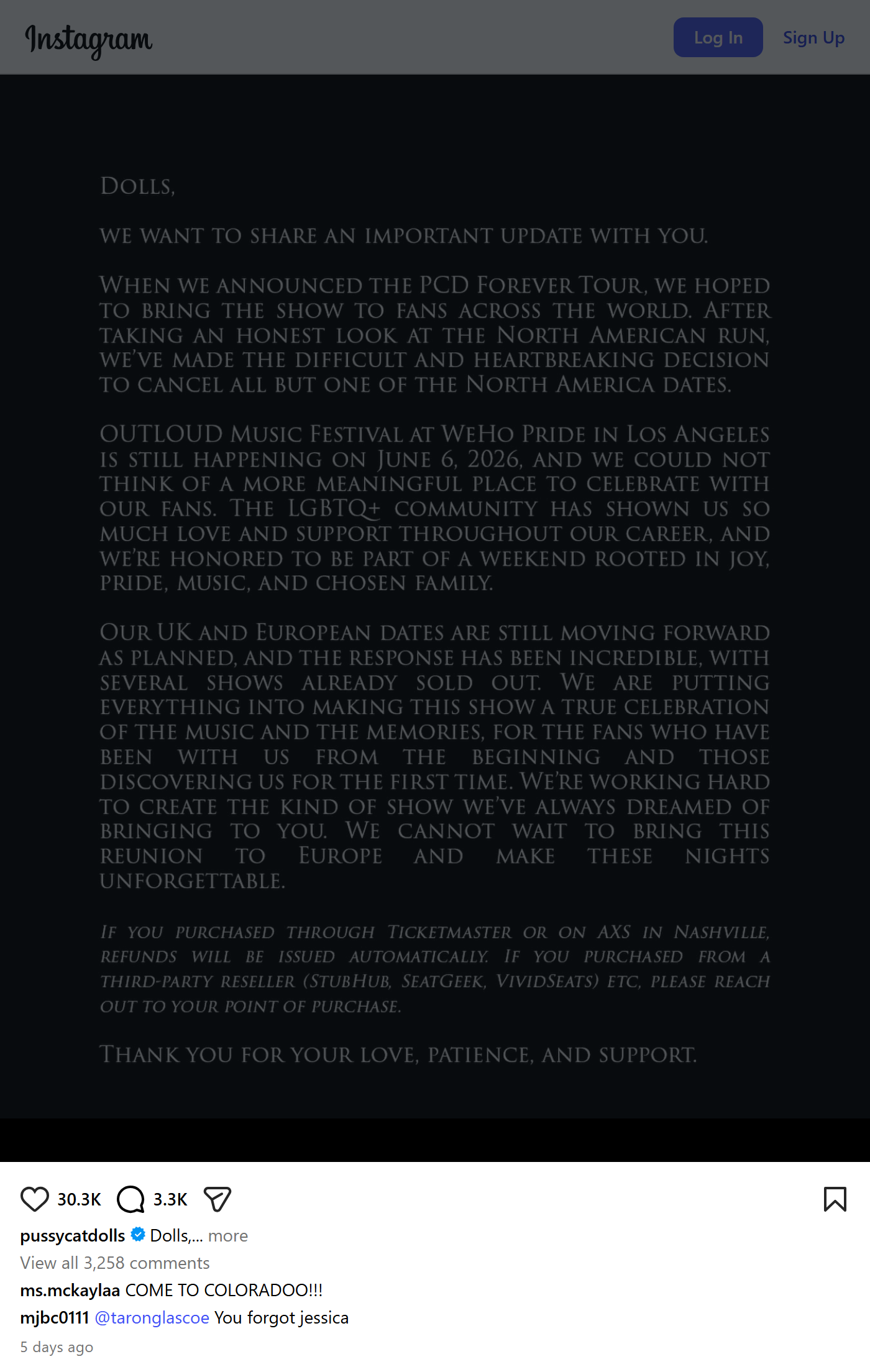
The latest victim of Blue Dot Fever is The Pussycat Dolls. Unlike their peers, they’ve been candid about their ticket struggles, openly acknowledging their lackluster North American sales and opting to cancel all but one show. The vulnerability in their statement speaks volumes about the challenges artists face today.
Why Are Tours Stumbling?
The factors contributing to these cancellations are complex. The music industry’s landscape has shifted dramatically with the rise of streaming services, economic pressures, and a glut of touring options that leave fans with dizzying choices. Concertgoers are now more selective with their spending, opting for experiences they see as truly unique or worth the price.
Furthermore, ticket prices have soared, leaving fans less willing to shell out for shows that don’t guarantee an unforgettable experience. Post Malone’s previously sold-out fall 2024 tour for his country album, F-1 Trillion, highlights how even popular artists aren’t immune to these fluctuations. This stark contrast in ticket sales over such a short period suggests a deeper shift in consumer behavior and economic priorities.
Streaming and Economic Pressures
With the explosion of streaming platforms, music fans have unprecedented access to their favorite tunes without ever leaving home. This convenience, coupled with economic pressures, means that live concerts need to offer something truly special to entice fans to invest their time and money.
Artists are now competing not just with other live events but also with the allure of home entertainment. The comfort of watching a concert from your living room, often at a fraction of the cost, is a tempting alternative to battling traffic and crowds for a live show experience. This shift in entertainment consumption has forced artists to rethink their strategies, aiming to offer more immersive and interactive live experiences.
The Impact of High Ticket Prices
The rise in ticket prices has been a significant deterrent for many concertgoers. Inflation, increased production costs, and the desire for higher profits have driven ticket prices to new heights. For fans, this means weighing the cost against the potential enjoyment of the concert, often resulting in a decision not to purchase.
While exclusive and intimate performances might justify higher prices, not every concertgoer is willing to spend big on standard tour events. This financial calculus is a crucial factor in the spread of “Blue Dot Fever.” As artists and promoters push prices higher, they risk alienating a portion of their audience who simply cannot justify the expense.
The Evolution of Touring Strategies
In response to these challenges, artists are exploring new ways to connect with their audiences. Some are embracing smaller, more intimate venues that promise a unique experience at a lower cost. Others are experimenting with virtual concerts and interactive online experiences that offer fans a chance to engage with artists without leaving home.
These innovative approaches are not just about filling seats; they’re about redefining what a concert experience can be in the modern age. By leveraging technology and creativity, artists can offer a fresh take on live music that resonates with today’s audiences.
The Road Ahead for Artists
As the music industry grapples with these changes, artists face the challenge of adapting to a new era of audience engagement. The concept of “Blue Dot Fever” serves as a wake-up call, urging artists to rethink their touring strategies in light of evolving consumer expectations and economic realities.
While some may struggle to adjust, others will undoubtedly thrive by embracing change and finding innovative ways to connect with fans. As we move forward, the music industry will be defined by those who can creatively navigate these challenges, offering experiences that captivate and inspire.
Blue Dot Fever is more than just a catchy phrase. It reflects a pivotal moment in the music industry where artists must rethink their strategies. In an age where virtual concerts and digital interaction are becoming mainstream, traditional touring models might need a facelift. For now, fans hope their favorite artists find innovative ways to connect without the heartbreak of canceled shows.
As the industry navigates this challenge, one question lingers: How will artists adapt to a new era of audience engagement and economic realities? Share this story with a friend who needs to know!