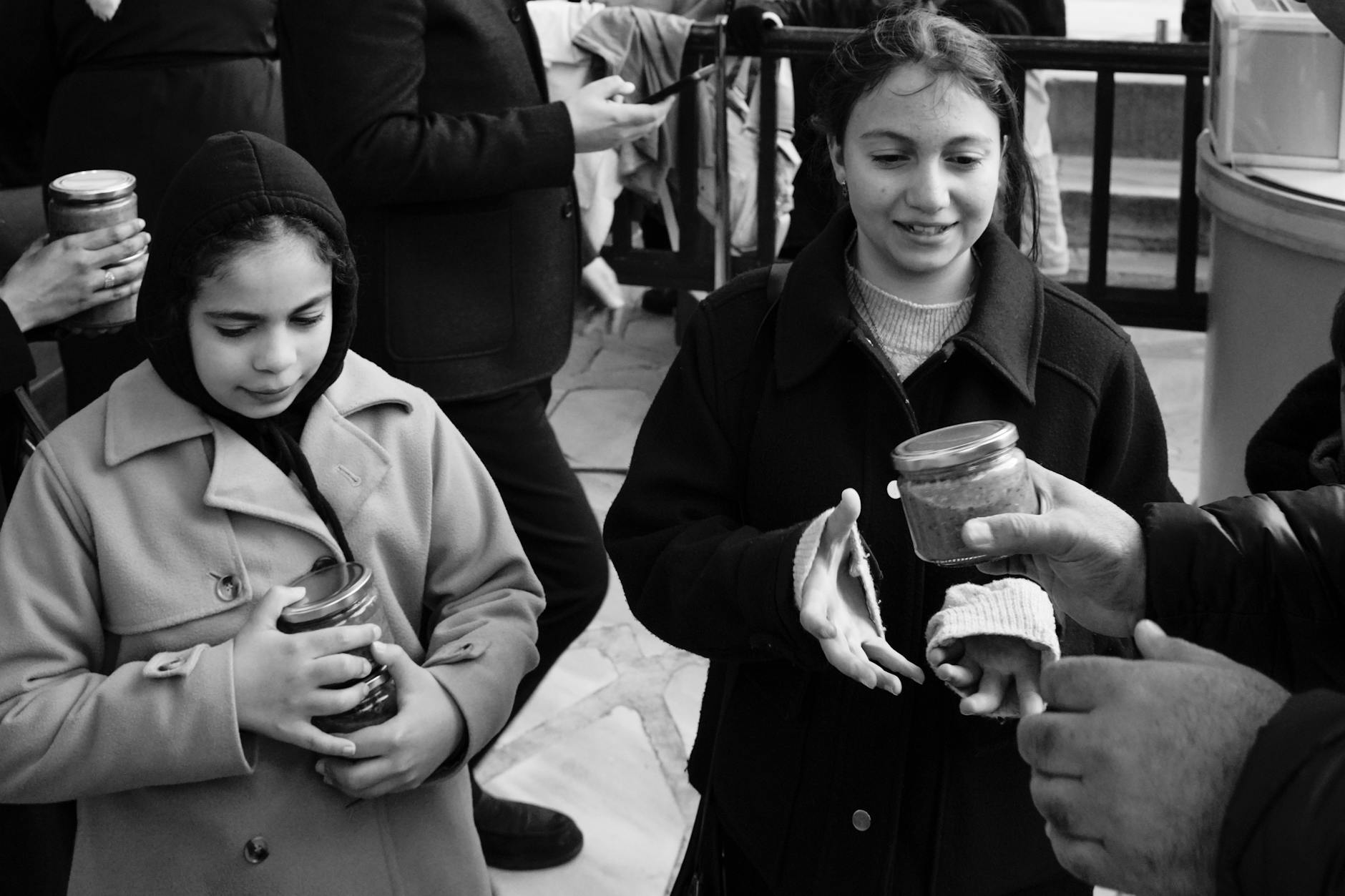
She Gave Food to a Family in Need — Then They Gave It Away! Was She Wrong?
In a close-knit community, compassion often blossoms in unexpected ways. One day, as the sun dipped below the horizon, casting a warm glow over their cozy kitchen, a couple was preparing dinner when they stumbled upon a heartfelt plea in their local Buy Nothing group. A family was struggling, they read, desperately asking for basic necessities like food, hygiene products, and diapers for their four-month-old baby. Moved by empathy and a sense of duty, the couple felt compelled to help.
With nimble fingers, they gathered a selection of items from their pantry—canned goods, pasta, and even some unopened snacks. There was no hesitation in their hearts; they were determined to make a difference in someone else’s day. After carefully packaging their contribution, they dropped it off at the family’s doorstep, leaving it anonymously so as not to seek recognition but rather to express kindness in its purest form. They couldn’t help but feel a sense of fulfillment, imagining the relief their gesture would bring.
When Kindness Meets Confusion
A few days later, the couple learned that their generosity had taken an unexpected turn. Browsing through the Buy Nothing group once again, they were startled to see a post from the same family, this time asking for the very items they had donated back. The family claimed they had given away the food they had received, asserting they were unable to use the items. It was an astonishing twist that left the couple feeling bewildered and slightly used.
What could drive someone to ask for something back that had been freely offered? The couple felt a swirl of conflicting emotions. On one hand, they wanted to extend further help to a family in need, but on the other, they couldn’t ignore the sting of betrayal. Their goodwill had seemingly been taken for granted. The couple debated amongst themselves, wondering if their initial act of kindness had been misguided. Perhaps, in their eagerness to assist, they had overlooked a fundamental truth: sometimes, help can be complicated.
The Ripple Effect of Compassion
As they pondered the situation, they reached out to friends and fellow community members for advice. Was it right or wrong for the family to ask for the donations back? Responses varied widely, illuminating the many shades of this moral dilemma. Some argued that the family might have had good intentions, potentially struggling with their own pride or circumstances, which led to their questionable choices. Others felt that such actions reflected a lack of gratitude.
At the heart of it all, the couple was left with their own questions. Should they continue to provide assistance to the family, or should they draw a line after feeling hurt? Was it even appropriate to cut ties with those who might genuinely be struggling? As they sat together, contemplating the intricacies of kindness in a community filled with both hardship and hope, they recognized the importance of empathy on all sides.
What People Are Saying
Responses to this unfolding story were heated and passionate, showcasing a range of perspectives. Some readers empathized with the couple, emphasizing the need for boundaries in helping those who might not appreciate it. Others took a more forgiving stance, suggesting that the family’s actions could stem from desperation rather than ingratitude. A few highlighted the idea that the couple had done their part, and now it was up to the family to decide how to handle the assistance. Meanwhile, some felt that the couple should continue giving, viewing it as a chance to teach the family about gratitude and responsibility.
Lastly, there were those who cautioned against making assumptions. They pointed out that every family has its struggles, and sometimes the reasons behind actions can be complex and layered. The conversation among commenters was a vibrant reminder that even in a world of compassion, there’s room for misunderstandings.
The Path Forward
As the couple navigated the aftermath of their kind gesture, they were faced with important choices. Would they continue to extend their support to a family that seemed to mismanage it, or would they take a step back to protect their feelings? In a world where kindness is often tested, they understood that the true measure lies in how one chooses to respond to the unexpected twists of life.
What do YOU think? Should the couple continue helping the family despite their confusing requests, or is it time to reevaluate their generosity? Share your thoughts below!