Chuck Norris: From Cannon Films Icon to Texas Ranger
Before he kicked butt as a Texas Ranger, Chuck Norris was the undisputed action hero of Cannon Films, the studio behind some of the most outrageous and unapologetically entertaining flicks of the ’80s. Known for their over-the-top action and a questionable portrayal of international adversaries, Cannon Films catapulted Norris into the spotlight with a series of movies that would become cult classics. But how did Norris become the face of this notorious production house?
As the era of the ’80s dawned, Cannon Films was in search of a star who could embody the quintessential tough guy—someone who could draw audiences in with a flick of a fist and a steely glare. Enter Norris, whose martial arts prowess and rugged charm made him the ideal candidate. Films like Missing in Action and Delta Force showcased his skills and provided a thrilling escape for viewers, albeit one laced with a heavy dose of xenophobia.
The Rise of Cannon Films
The brainchild of Menahem Golan and Yoram Globus, Cannon Films became known for its wildly entertaining productions that often pushed the envelope of action and adventure. And who better to lead their charge than Norris? With his tough-guy persona and iconic roundhouse kick, he became the emblematic figure for the studio. Each film was a blood-soaked, adrenaline-fueled ride that not only broke box office records but also left a lasting impression on pop culture.
However, the films were not without controversy. Critics often pointed out the blatant xenophobia present in many of Norris’s films. Missing in Action, for instance, pitted Norris against the Vietnamese, while Delta Force delivered a not-so-subtle commentary on middle-eastern terrorism. These themes, while thrilling for some, raised eyebrows among viewers who questioned the narratives being served on screen.
Norris’s Cultural Impact
Despite the contentious themes, Norris became a household name, representing a certain rugged individualism that resonated with audiences. His image as the ultimate action hero was solidified by his roles in these Cannon Films, and it paved the way for his later success on the small screen as the iconic Texas Ranger in Walker, Texas Ranger. But what drove audiences to embrace his films, despite the problematic narratives?
For many, it was the thrill of escapism. Audiences flocked to theaters to see Norris take down villains with a swift kick and an unyielding determination. These films were not just about action; they were about a man standing up against perceived threats. They tapped into a national sentiment during the ’80s, a time rife with international tension and upheaval. The simplicity of Norris’s heroism—good versus evil—was a formula that worked, appealing to viewers who craved certainty in an uncertain world.
The Transition to Television and Legacy
After becoming a certified movie star, Norris took his talents to television with Walker, Texas Ranger, where he continued to dominate screens while promoting values of justice and morality. The show became a staple, cementing his legacy as an iconic figure in American pop culture. But even as he transitioned to more family-friendly content, the shadow of his Cannon Films days loomed large, reminding audiences of that blood-soaked era of action movies.
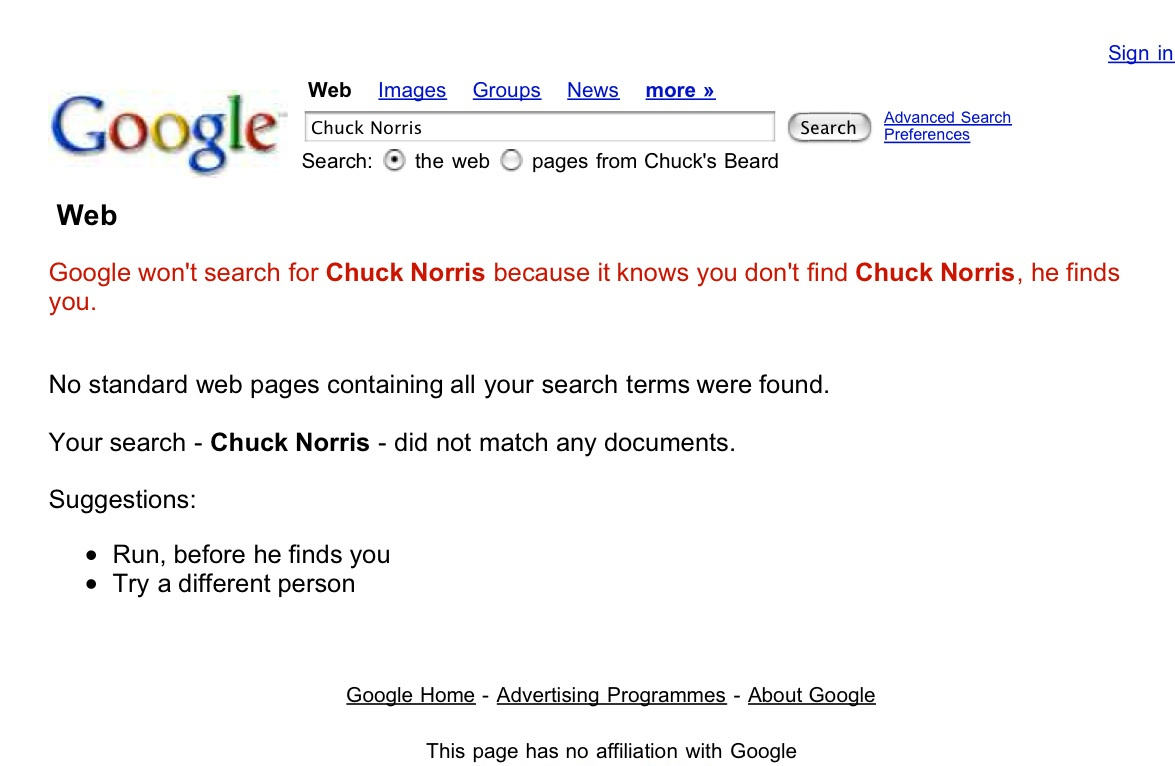
As the years went by, Norris’s influence expanded beyond films and TV shows. He became a meme sensation, with “Chuck Norris Facts” popping up all over the internet. This phenomenon reintroduced him to a new generation, reminding everyone of the unyielding hero he once portrayed on screen. It’s remarkable how a man who kicked butt in questionable films became a beloved figure in the digital age, proving that the iconography of the ’80s can still thrive in modern times.
Reflecting on an Era
Today, as people look back on the action films of the ’80s, the legacy of Chuck Norris and Cannon Films continues to generate conversation. While these films may not have aged gracefully in terms of their themes, they are undeniably a part of the fabric of pop culture history. Norris’s journey from martial arts champion to action star and cultural phenomenon is a testament to the power of cinema and the man’s undeniable charisma.
So, as we remember the glory days of Cannon Films, we also reflect on how far cinema has come and how much it has changed. The action hero in today’s films may look different, but there’s no denying the impact that heroes like Norris had in shaping the genre.
What do YOU think? Do Chuck Norris’s films deserve a re-evaluation, or should they stay in their ’80s niche?