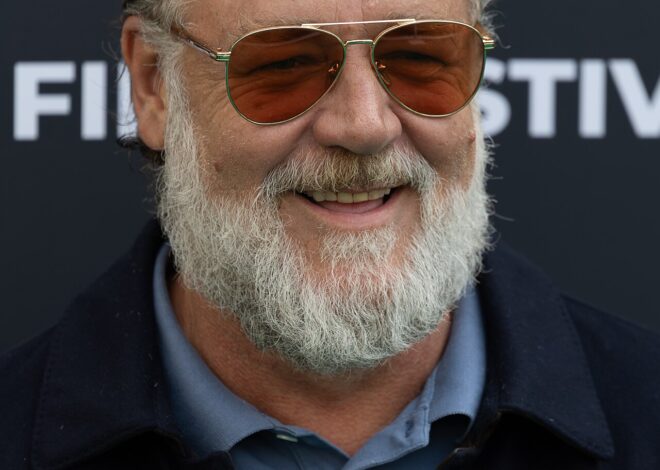
Spencer Pratt and Chelsea Handler’s Social Media Showdown Over L.A. Mayoral Race
In a world where reality TV stars leap into politics with the same zeal they reserve for red carpets, things were bound to get interesting. Enter Spencer Pratt, former reality star and current mayoral hopeful, and Chelsea Handler, comedian and social media maven, both embroiled in a fiery exchange over Pratt’s campaign to become the next mayor of Los Angeles.
Spencer Pratt announced his candidacy following the devastation of his home in the 2025 Palisades fires. Pratt, unimpressed by what he describes as a lackluster response from local politicians like current Mayor Karen Bass, seeks to offer a new direction for the city’s leadership. But not everyone is taking his candidacy seriously.
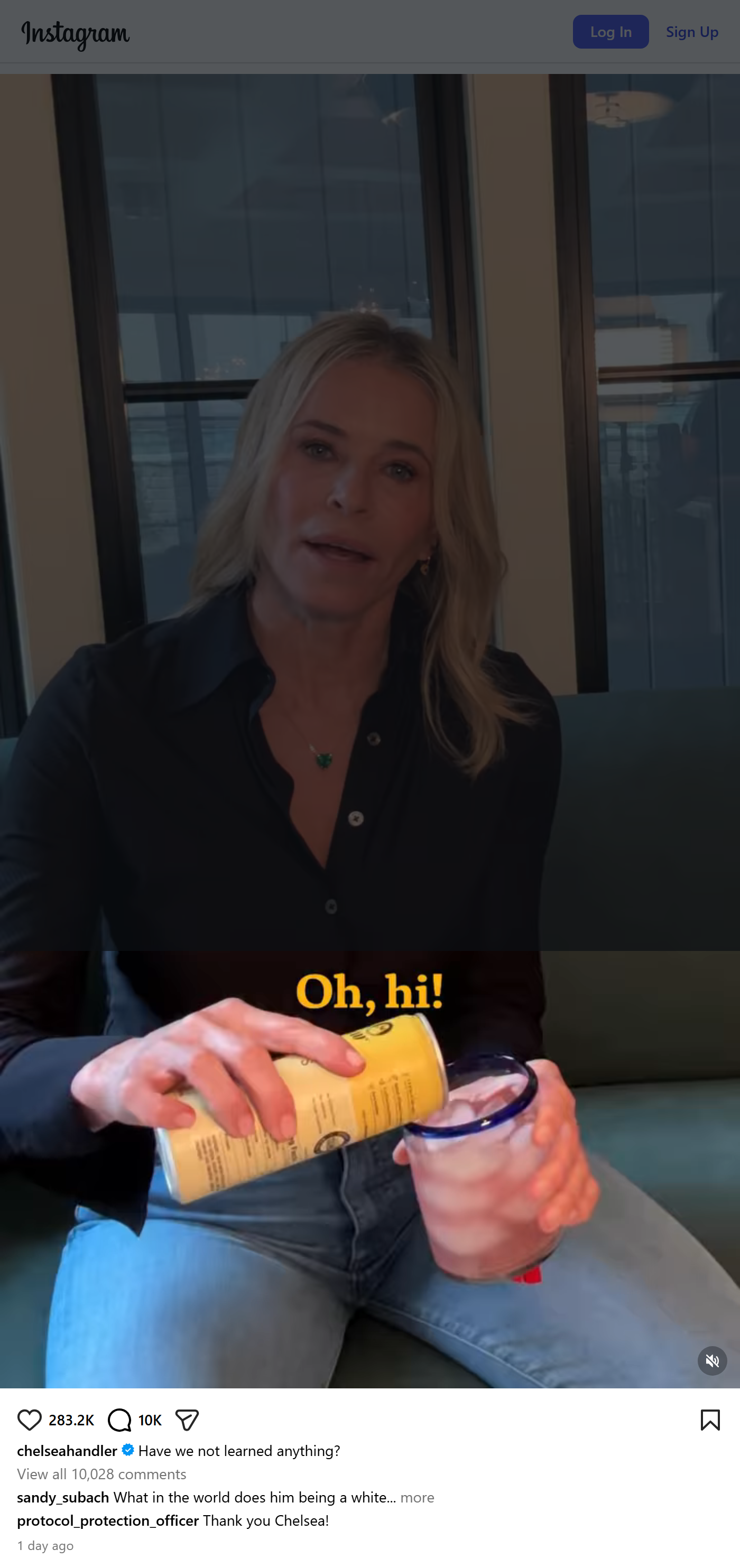
Handler, known for her sharp wit and unfiltered opinions, recently posted a video on Instagram with a biting critique of Pratt’s qualifications, labeling him as just another “straight, white male former reality star” with zero political experience. This wasn’t a gentle nudge—it was a full-on jab at Pratt’s campaign credibility.
The Social Media Clash
Pratt, unwilling to let Handler’s comments slide, fired back on X (formerly known as Twitter) with a video clip featuring comedian Shane Gillis at a roast hosted by none other than Kevin Hart on Netflix. In the clip, the humor gets dark as Gillis jokes about Handler’s supposed connections to notorious figures like Jeffrey Epstein, Andrew Mountbatten-Windsor (also known as Prince Andrew), and Woody Allen.
Pratt’s comeback, steeped in controversy, raises the stakes in what was already a fiery exchange. While some see it as a bold retort, others view it as crossing a line—invoking Epstein in any context tends to ruffle feathers.
Reality Stars in Politics
Pratt’s foray into politics is not without precedent. Over the years, a number of celebrities have swapped the glitz of Hollywood for the grind of politics. From Arnold Schwarzenegger’s tenure as the “Governator” of California to Donald Trump‘s unexpected rise to the presidency, the intersection of fame and political ambition is hardly new. These instances have shown that a well-known name can indeed translate into political capital, at least initially, by leveraging media presence and public recognition.
However, the transition is rarely straightforward. Critics often question the motives of celebrity candidates, scrutinizing whether their intentions are genuine or if they are simply seeking to extend their fame. Pratt faces similar skepticism, with Handler’s critique echoing a common sentiment: that the spotlight of reality TV hardly prepares one for the rigors of public office.
Beyond the Personal Attacks
While the online spat might resemble an episode of a reality TV reunion, it shines a light on deeper issues facing Los Angeles politics. Pratt’s campaign isn’t just a publicity stunt, despite what critics like Handler imply. He’s openly challenging Mayor Bass and other candidates on pressing issues, like the city’s response to natural disasters and governance.
The online feud has sparked a flurry of reactions from fans, political commentators, and social media users alike. Some are cheering Pratt’s audacity, while others rally behind Handler’s skepticism, questioning whether the L.A. mayoral race should be taken as seriously as it has been dramatized.
As Pratt continues to tour Los Angeles, rallying support for his campaign, the question remains: Is the city ready for a leader with a background in reality television? Or is this political gamble more about celebrity fame than civic duty?
The Broader Implications
This high-profile confrontation speaks volumes about the intersection of celebrity culture and political ambition. Pratt is not the first reality star to vie for political office, and he certainly won’t be the last. The debate over his suitability reflects ongoing conversations about who is qualified to lead and whether fame should play a role in those decisions.
The conversation also touches on broader societal questions: What does it mean to be “qualified” for political office in the modern era? Traditional paths to leadership often involve years in public service or relevant fields, but the rise of outsider candidates suggests a shift in voter priorities. Authenticity, relatability, and media savviness are increasingly valued alongside or even above conventional qualifications.
Moreover, the spat underscores the power of social media as a battleground for public opinion. Handler’s and Pratt’s online strategies illustrate the new norm in political discourse—where tweets and posts can shape public perception just as much as policy proposals.
In a city as diverse and complex as Los Angeles, the mayoral race is about more than individual candidates; it reflects the broader cultural and political currents at play. While Pratt and Handler exchange verbal jabs, the real drama may lie in how the city navigates its future under the spotlight of celebrity and public scrutiny.
Only time will tell if Pratt’s campaign will resonate with voters or simply remain a headline-grabbing spectacle. Until then, the drama continues to unfold on screens everywhere.
Share this story with a friend who needs to know!